



Most people dealing with back pain reach for painkillers first. And while they can take the edge off, they do not solve the problem — they just mute it for a while. If your back pain keeps returning, or if it has been hanging around for months, your body might be telling you something important. One of the clearest signs you need spinal decompression therapy is when pain persists despite medication and rest.
Here are five signs that spinal decompression therapy — not another round of painkillers — might be what you actually need.

1. You Have Chronic Back or Neck Pain That Won’t Go Away
If your back or neck pain has lasted more than 6 to 12 weeks, it is considered chronic. Chronic pain rarely resolves on its own, and painkillers only mask the discomfort temporarily. Spinal decompression therapy works by targeting the structural cause of the pain — usually compressed or herniated discs pressing on nerves — rather than just blocking the pain signals.
If your pain is persistent, predictable (especially after sitting or bending), and always comes back after medication wears off, that is a clear signal that the root cause needs to be addressed.
2. Pain Shoots Down Your Leg or Arm
Radiating pain — pain that travels from the lower back down the leg, or from the neck down the arm — is a sign that a nerve is being compressed. This is often called sciatica when it involves the leg. It is caused by a disc pressing against the nerve root, and no painkiller can physically move that disc away from the nerve.
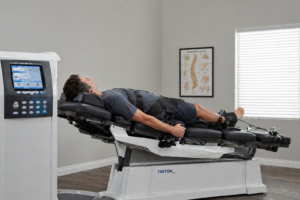
Spinal decompression therapy creates a gentle vacuum inside the disc space that can draw the herniated disc material back and relieve that nerve pressure. For radiating pain, this is one of the most targeted treatments available.
3. You Have Been Diagnosed with a Herniated or Bulging Disc
If an MRI or X-ray has confirmed a herniated or bulging disc, you already have the diagnosis — now you need the right treatment. Painkillers and bed rest alone will not repair the disc. Spinal decompression therapy, on the other hand, is specifically designed to treat disc-related conditions. It gently reduces the pressure inside the damaged disc and supports natural healing over time.
Getting spinal decompression when you have a confirmed disc problem is not just recommended — it is often the most logical and effective step.
4. You Feel Numbness, Tingling, or Weakness
Numbness or tingling in the legs, feet, hands, or fingers — combined with back or neck pain — suggests nerve involvement. So does unexplained weakness in your limbs. These symptoms mean the nerve is not just irritated; it may be significantly compressed.
This is one of the most important signs when to get spinal decompression. Prolonged nerve compression can lead to lasting damage if left untreated. Decompression therapy addresses the source of that compression directly.
5. Painkillers Are Becoming Your Daily Routine
If you are taking anti-inflammatory tablets or painkillers daily just to get through the day, that is a red flag. Long-term painkiller use comes with its own risks — including digestive issues, dependency, and masking worsening conditions. If medication has become a crutch rather than a temporary help, it is time to look for a real solution.
This is one of the clearest chronic back pain symptoms treatment signals that your pain needs to be addressed at its root, not just suppressed on the surface.
What Happens if You Keep Ignoring These Signs?
Untreated disc conditions rarely get better on their own over the long term. Nerve compression can worsen, pain can spread, and simple daily activities can become increasingly difficult. Early intervention with spinal decompression therapy can prevent a manageable condition from becoming a serious one.
Why B Well Forever
At B Well Forever, patients receive a thorough assessment before any treatment begins. The aim is always to understand the root cause of your pain before designing a care plan. Spinal decompression is offered as part of an integrated approach — not as a one-size-fits-all solution.
Conclusion
If any of these five signs sound familiar, it may be time to move beyond painkillers and explore a treatment that works with your body’s natural healing process. The signs you need spinal decompression therapy are clear — and the sooner you act on them, the better your chances of a full, lasting recovery.