



Introduction
For people dealing with constant back pain, the idea of avoiding surgery is appealing but often feels unrealistic. This is where Non Surgical Spinal Decompression Treatment has become a genuine option worth understanding. It gently stretches the spine to relieve pressure on discs and nerves, and many patients ask if it can truly stand in for surgery. If you have been searching for a Spinal Decompression Clinic Near Me, knowing how this treatment works will help you make a more informed decision about your care.
This blog breaks down exactly what the treatment involves, who it tends to help most, and how it compares to surgical options.
What Spinal Decompression Actually Does
Spinal decompression uses controlled, gentle stretching of the spine to create negative pressure within the discs. This can help pull bulging or herniated disc material back into place while improving the flow of nutrients and fluid to the area. Unlike surgery, there is no cutting, no anesthesia, and no lengthy hospital recovery involved.
The treatment is delivered in short sessions, usually lasting around twenty to thirty minutes, with the patient comfortably positioned throughout. Many people describe the sensation as a gentle, rhythmic stretch rather than anything uncomfortable.
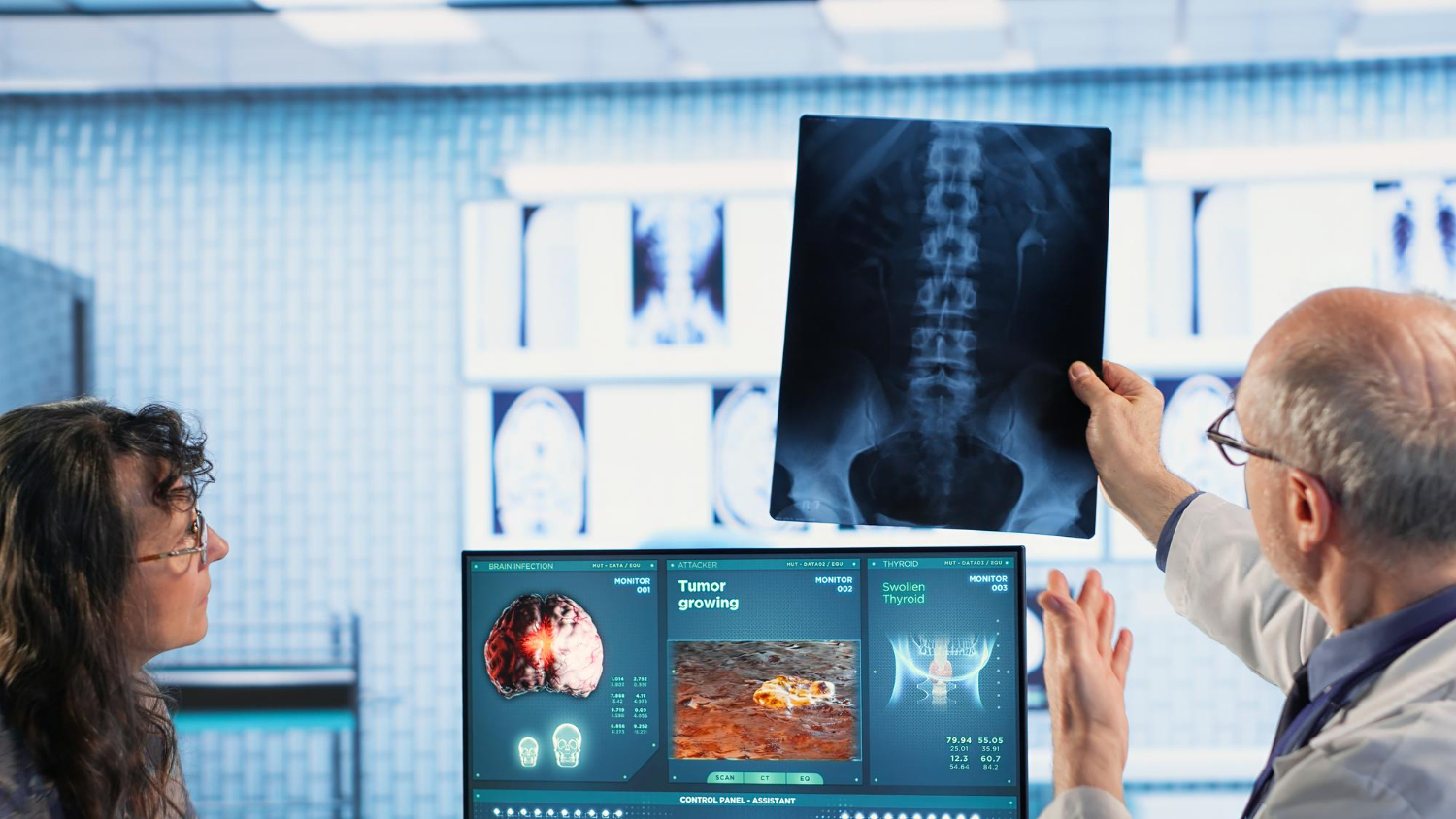
Who Typically Benefits from This Treatment
- People with bulging or herniated discs causing ongoing back or leg pain.
- Patients with degenerative disc disease looking for pain relief without surgery.
- Individuals with sciatica caused by nerve compression in the lower spine.
- Those who have tried basic physiotherapy without lasting improvement.
- Patients hoping to avoid or delay a surgical procedure.
How Effective Is It Compared to Surgery?
This is one of the most common questions patients bring up. Many people ask how effective is non-surgical spinal decompression for chronic spine pain, and results vary depending on the cause and severity of the condition. For a large number of patients with disc-related pain, decompression combined with physiotherapy leads to meaningful, lasting relief and helps them avoid surgery altogether. For more severe structural problems, it may still reduce pain even if surgery remains necessary later.
It is worth noting that decompression works best as part of a broader plan rather than as a standalone fix. Pairing it with targeted strengthening exercises tends to produce more durable results than decompression sessions on their own.
Is the Treatment Safe?
Safety is naturally a top concern before starting any new treatment. Patients often ask is non-surgical spinal decompression treatment safe, and when performed by trained professionals with proper assessment beforehand, it is considered a low-risk option. The pressure applied is carefully controlled and adjusted to each patient’s condition, which is why a thorough evaluation always comes before treatment begins.
Certain conditions, such as severe osteoporosis, fractures, or specific spinal instabilities, may mean decompression is not suitable. This is exactly why a proper clinical assessment before starting treatment is non-negotiable.
What a Typical Treatment Plan Looks Like
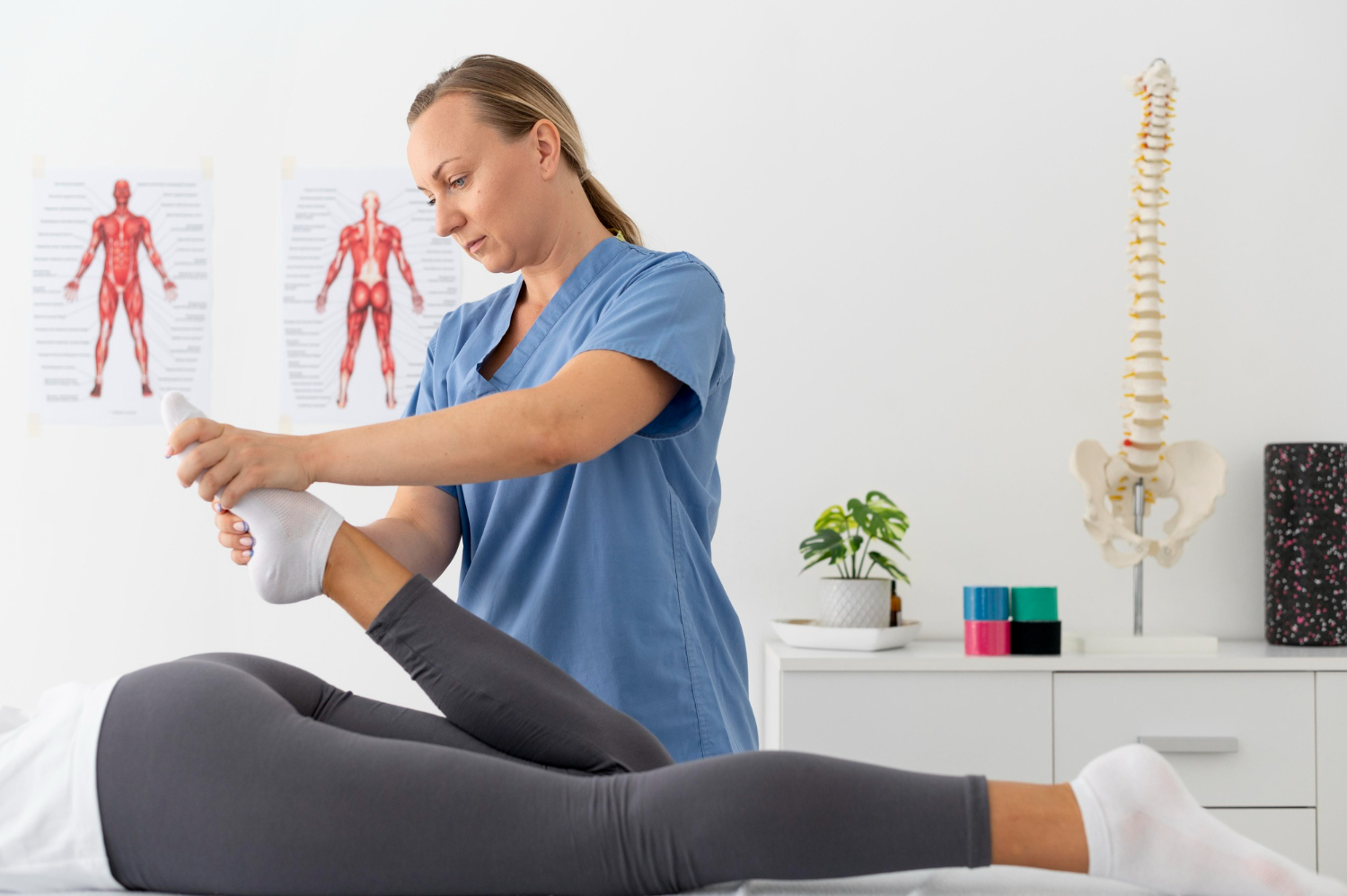
Most plans involve a series of sessions spread across several weeks, often paired with physiotherapy exercises to strengthen supporting muscles. Each session is short and painless, and many patients report feeling noticeably lighter in the treated area soon after their first few sessions. Consistency across the full plan is what determines how lasting the results will be.
Progress is usually reviewed every few sessions, with adjustments made to the stretching force and angle as the spine responds to treatment. This gradual, monitored approach is part of what makes the treatment both effective and safe over time.
Setting Realistic Expectations
It helps to enter treatment with realistic expectations rather than assuming pain will vanish after a single session. Most patients notice gradual improvement across the full course of treatment, with some early relief appearing within the first one to two weeks for many common conditions.
Questions Worth Asking Before You Start
- How many sessions are typically recommended for a condition like mine?
- What signs would suggest the treatment needs to be adjusted?
- Will physiotherapy be included alongside the decompression sessions?
- What results have similar patients experienced with this clinic?
Combining Decompression with Everyday Self-Care
The results of spinal decompression tend to hold up better when paired with sensible daily habits. Avoiding prolonged sitting, taking short walking breaks, and being mindful of posture while working all support the gains made during treatment sessions. Patients who combine professional care with these small daily changes typically report the most lasting relief.
Conclusion
Spinal decompression will not replace surgery in every single case, but for a great many people with disc-related back pain, it offers a real and effective path toward relief without an operation. If you are exploring Non-Surgical Spinal Decompression Treatment and looking for a trusted Spinal Decompression Clinic Near Me, Bwellforever provides careful assessment and guided treatment plans designed to help you recover safely and confidently.