



Introduction
A spinal cord injury changes life in an instant, and the road back is rarely simple or predictable. Families often come to us not knowing what to expect, worried about timelines, and unsure what real progress actually looks like from one week to the next. Spinal Cord Injury Rehabilitation is not a single treatment but a long, structured journey that combines medical care, physical therapy, and emotional support, all working together toward the same goal of restoring as much function and independence as possible.
At Bwellforever, we work with patients from the earliest days after injury through to independent living, adjusting the plan as needs change. This guide walks you through what that recovery journey actually involves, stage by stage, so families can approach the process with realistic expectations and a clearer sense of what genuine progress looks like along the way.
The First Phase: Stabilising and Assessing
The earliest stage of recovery happens soon after the injury, once the patient is medically stable enough to begin working with a rehabilitation team. This phase is about understanding the full extent of the injury, protecting the spine from further damage, and starting very gentle movement work where it is safe to do so. Therapists assess muscle strength, sensation, and reflexes in careful detail, building a baseline that every future session will be measured against.
Family members are often brought into these early conversations too, since their support plays a significant role in how well a patient adapts over the following months. Learning how to assist safely with transfers, positioning, and daily routines during this stage helps set the tone for a smoother transition once the patient moves into more active rehabilitation.
Building Strength Without Rushing the Process
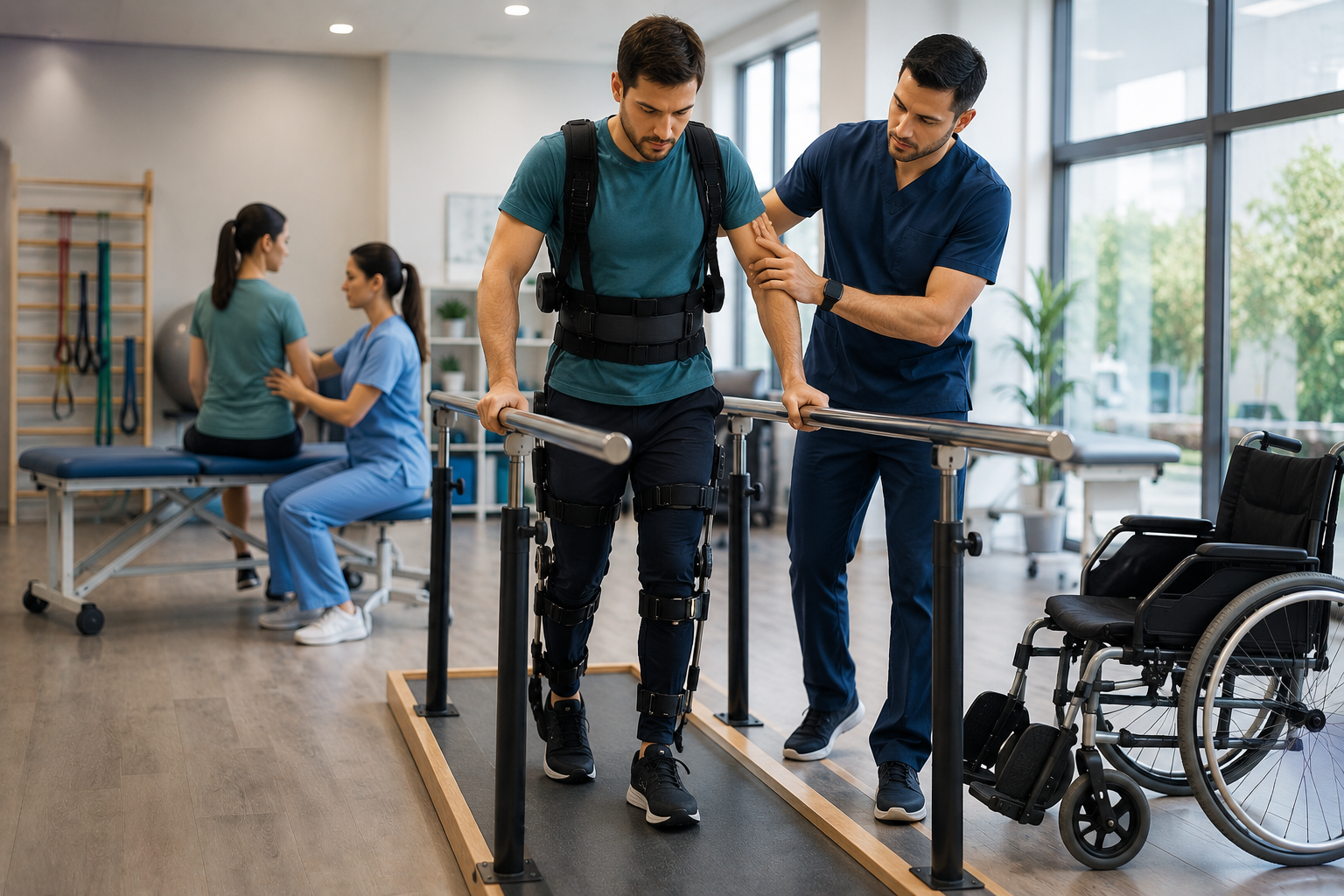
Once a patient is ready for active therapy, the focus shifts toward rebuilding strength safely and steadily. This means working with whatever muscle control remains, using supported standing frames, resistance exercises, and repetitive movement training to encourage the nervous system to reconnect with the body. Progress at this stage can feel slow, and that is completely normal for this kind of injury.
Small wins, like regaining trunk control while seated or moving a limb a few extra degrees, are genuine milestones and are treated as such by our physiotherapy team. Celebrating these incremental gains matters, because sustained motivation is often just as important to recovery as the physical exercises themselves.
Learning Daily Living Skills Again
Rehabilitation is not only about muscles and nerves. A large part of the process involves relearning practical daily tasks such as transferring from a bed to a wheelchair, managing personal care, and adapting to mobility aids that support safer, more independent movement. Occupational therapists work alongside physiotherapists during this stage, focusing on the tasks that matter most to each individual patient’s daily routine and independence goals.
This might mean practicing how to prepare a simple meal from a seated position, adjusting a home environment for wheelchair access, or learning techniques to manage clothing and hygiene tasks with reduced hand function. Every skill relearned here restores a small piece of independence.
Addressing the Emotional Side of Recovery
The psychological impact of a spinal cord injury is often underestimated by people outside the situation. Patients may experience frustration, grief, or anxiety about the future, and this is a completely normal part of adjusting to a major and sudden life change. A good rehabilitation program builds in time for these conversations rather than treating them as separate from physical recovery.
Connecting patients with counselling support where needed, and encouraging peer connections with others who have gone through similar experiences, often makes as much difference to long-term wellbeing as the physical therapy sessions themselves.
Working Toward Long-Term Independence
As physical progress continues, later stages of rehabilitation shift toward preparing patients for life outside the clinical setting. This can include community mobility practice, workplace or school reintegration planning, and ongoing strength maintenance programs designed to prevent the secondary complications that can arise from long periods of reduced movement, such as pressure injuries or muscle deconditioning.
This stage is often where an Orthopedic Rehab Center becomes an ongoing partner rather than a short-term stop, supporting patients through the months and years of adjustment that follow a spinal cord injury.
What Rehabilitation Is Available for Spinal Cord Injury Patients in Dubai?
Families searching for what rehabilitation is available for spinal cord injury patients in Dubai will typically find a combination of hospital-based acute care followed by outpatient physiotherapy programs designed around each patient’s specific level of injury. At Bwellforever, this includes hands-on physiotherapy, hydrotherapy where appropriate, assistive technology guidance, and a long-term Orthopedic Rehab Center approach that adapts as the patient’s condition and goals change over time.
Our team also coordinates closely with physicians and occupational therapists, so that medical, physical, and practical needs are addressed together rather than in isolation.
Conclusion
Recovery from a spinal cord injury is measured in months and years, not days, and every patient’s path looks a little different depending on the level and severity of injury. What happens during spinal cord injury rehabilitation ultimately comes down to consistent, structured support across the physical, practical, and emotional sides of recovery, delivered by a team that understands how these pieces fit together.
Bwellforever’s team is here to walk through every stage of that journey with you, offering the expertise of a dedicated Spinal Cord Injury Rehabilitation program and the ongoing support of a trusted Orthopedic Rehab Center in Dubai, from the earliest days after injury through to long-term independent living.